



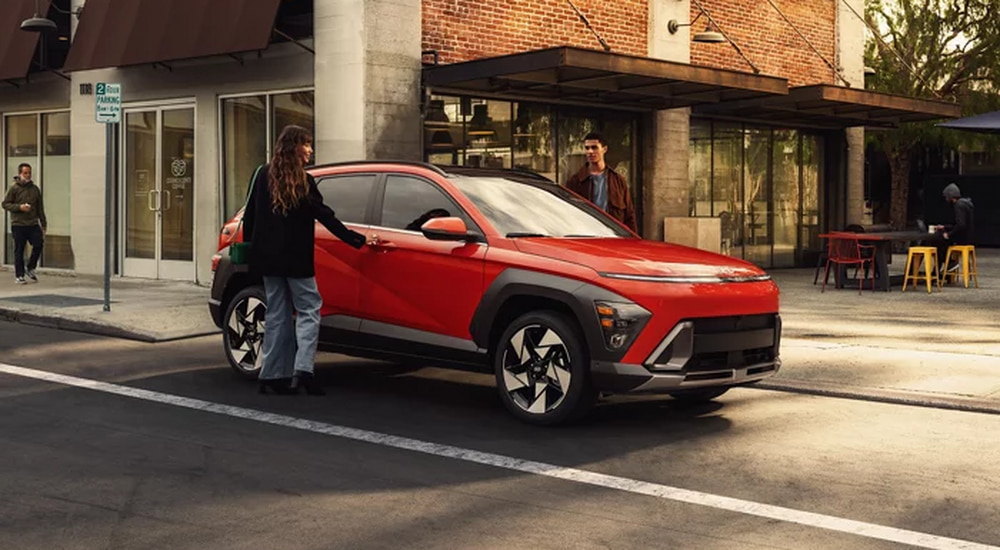
When shopping for a subcompact SUV, most drivers aren’t chasing off-road bragging rights or race-track numbers. What genuinely matters is everyday value: how well a vehicle fits into real life. From commuting and errands to weekend trips and hauling cargo, the best vehicle is one that adapts to your needs and works harder for you day in and day out.
So, how do you find an SUV like this? Shopping for a Hyundai Kona for sale means you’re already one step closer, especially after comparing it to rivals like the 2026 Toyota Corolla Cross.
The 2026 Kona exudes adaptability, offering tangible value through its modern design and feature-rich packaging, putting it leagues ahead of its Toyota rival. While both SUVs appeal to shoppers looking for practicality, the 2026 Corolla Cross relies heavily on its well-known name without delivering the innovation, interior flexibility, or advanced technology expected of a newer crossover.
Hyundai’s approach is markedly different (and far more value-driven) in the 2026 Kona, addressing drivers’ needs where it matters most. With a closer look at those differences, here’s how the 2026 Kona consistently outshines the 2026 Corolla Cross.
The Value in Interior Versatility
Interior design isn’t just about how a cabin looks; it’s about how well it adapts to your daily routine. This is one of the most important areas where the 2026 Kona separates itself from the 2026 Corolla Cross.
The Corolla Cross leans into its subcompact footprint without showcasing much ingenuity or thoughtful design. On paper, it even appears larger. The Corolla Cross measures 176.1 inches long and 64.9 inches tall, compared to the Kona’s nimbler 171.3-inch length and 63.2-inch height. However, Toyota doesn’t use that extra interior space to your advantage—especially not in the back seat or cargo area. Hyundai, by contrast, makes every inch count.
Toyota treats the rear seat as an afterthought in the Corolla Cross, with cramped legroom and a smaller passenger volume of just 93.8 cu.ft. The Kona tells a very different story.
Hyundai proves a subcompact SUV can still be spacious, comfortable, and family-friendly, with a passenger volume of 101.2 cu.ft., 38.2 inches of rear legroom, and an impressive 63.7 cu.ft. of cargo space. The Corolla Cross tops out at only 46.9 cu.ft., making the Kona far better suited for hauling groceries, luggage, sports gear, and other essentials.
Details That Shine for Hyundai
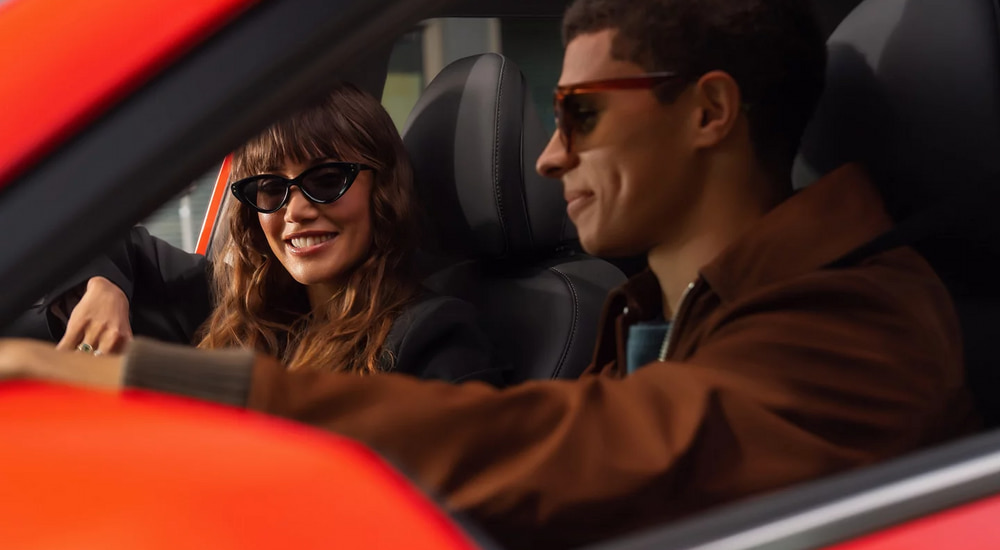
The Kona’s spacious cabin sets the stage for thoughtful design details that elevate every drive without inflating the price. Unfortunately, that same attention to value is missing in the Corolla Cross, where Toyota limits comfort features and forces buyers to pay more for basic upgrades.
The 2026 Corolla Cross has a noticeably oversimplified interior. Top trims like the XLE have Toyota’s SofTex seating, but desirable features such as heated front seats and a heated steering wheel are limited to more expensive all-wheel-drive models. A moonroof and a power liftgate also cost extra, further eroding the Corolla Cross’s value proposition.
The 2026 Kona flips that script entirely, as its four-trim lineup is generously equipped from the start.
Its mid-tier and top-tier trims offer H-Tex leatherette seating, heated and ventilated front seats, a leather-wrapped steering wheel, ambient interior lighting, and a power sunroof—features that either cost extra or aren’t available at all in the Corolla Cross. Moreover, the Kona Limited delivers these upgrades without forcing drivers into expensive add-on packages, reinforcing Hyundai’s commitment to providing tangible, everyday value.
A Smarter, More Intuitive Interface
Modern drivers expect their vehicles to keep pace with the technology they use daily, from smartphones and navigation apps to entertainment and driver assistance tools. Technology is another area where the 2026 Kona demonstrates a forward-thinking, value-driven mindset, while the Corolla Cross reveals Toyota’s slower approach to tech-related innovation.
Digital Landscapes
The 2026 Corolla Cross offers either an eight-inch or 10.5-inch infotainment touchscreen, both of which feel undersized when compared to the Kona’s expansive setup. In fact, 2026 marks the first time the Corolla Cross even offers a 10.5-inch screen—a telling sign of Toyota’s tech-averse approach in an SUV that made its American debut in 2022.
The 2026 Kona, meanwhile, rolls off Hyundai’s production line with a 12.3-inch infotainment touchscreen that complements an available 12.3-inch instrument cluster. This seamless digital landscape delivers clear visuals, intuitive smartphone integration, real-time navigation, and a more premium feel overall. While the Corolla Cross offers wireless Apple CarPlay and Android Auto, its smaller screens and less intuitive interface make the experience feel dated.
Hyundai leverages the Kona’s larger digital landscape across its trims, from the SE and SEL Sport to the SEL Premium and Limited. Every trim includes HD radio and SiriusXM, while the Limited elevates the experience with an eight-speaker Bose Premium audio system, Dynamic Voice Recognition, and enhanced connectivity and entertainment features that Toyota simply doesn’t match.
Technology Overall
Toyota’s oversight gives the 2026 Kona plenty of time to shine as the more technologically advanced and intuitive model. As a result, the gap between the 2026 Corolla Cross and 2026 Kona grows significantly and becomes impossible to ignore, especially when you look at the full tech experience.
Toyota’s conservative approach leaves the Corolla Cross behind the curve, even as a newer crossover. Hyundai, on the other hand, clearly prioritizes the driver’s experience, focusing on usability, clarity, and innovation.
For everyday driving, Hyundai realizes that better technology isn’t about flash, but rather ease of use and staying connected without frustration. The Kona’s digital landscape feels purpose-built for modern life, leaving the Corolla Cross to continue its never-ending need to play catch-up.
Confidence in the Driver’s Seat
Hyundai and Toyota both prioritize your safety behind the wheel, yet their approaches differ significantly. Toyota equips the Corolla Cross with essential driver assistance features but limits advanced technologies to higher-tier trims, forcing buyers to spend more for peace of mind that comes standard in rivals like the 2026 Kona.
Hyundai’s approach is more inclusive and value-oriented. The 2026 Kona features Hyundai SmartSense, a suite of driver assistance tools that outpaces Toyota Safety Sense 3.0.
SmartSense equips the 2026 Kona with a Blind Spot Collision-Avoidance Warning, Rear Cross-Traffic Collision-Avoidance Assist, Forward Collision-Avoidance Assist with Pedestrian Detection, Cyclist and Junction Turning Detection, and Direct Oncoming. The suite also includes Lane Following and Lane Keeping Assist, Driver Attention Warning, Safe Exit Warning, and High Beam Assist.
The 2026 Corolla Cross doesn’t offer anything comparable to the Kona’s Safe Exit Warning, Remote Smart Parking Assist, or Highway Driving Assist. Instead, Toyota maintains its tech-averse approach, requiring drivers to spend more on upgrades that should be standard: blind-spot and rear cross-traffic monitoring, rear parking assist, and rear automatic braking.
The 2026 Kona Leads in Everyday Value
The 2026 Corolla Cross is functional and aligns with Toyota’s reputation for reliability, but it leans too heavily on familiarity and oversimplification. Its limited interior space, smaller cargo capacity, modest digital landscape, and piecemeal upgrades reveal Toyota’s ongoing oversight. This becomes even more apparent alongside rivals like the 2026 Kona, which excels in providing everyday value where drivers feel it most.
The 2026 Kona is a modern SUV that defies expectations, from its interior versatility and cargo-friendliness to its advanced technologies, premium design details, and an industry-leading warranty that extends to ten years or 100,000 miles. It’s the value you deserve because Hyundai doesn’t ask you to compromise or pay extra for essentials; instead, Hyundai designs the 2026 Kona as a smarter, more adaptable SUV designed for real life.
Connect with us


- June 2026
- April 2026
- March 2026
- February 2026
- January 2026
- December 2025
- November 2025
- October 2025
- September 2025
- August 2025
- July 2025
- June 2025
- May 2025
- April 2025
- March 2025
- February 2025
- January 2025
- December 2024
- November 2024
- October 2024
- September 2024
- August 2024
- July 2024
- May 2024
- April 2024
- March 2024
- February 2024
- April 2023
Archives
- Hyundai Dealer
- Hyundai Dealer in Knoxville
- Hyundai Dealer Near Clinton
- Hyundai Dealer Near Kingston
- Hyundai Dealer Near Morristown
- Hyundai Dealer Near Norris
- Hyundai Dealer Near Powell
- Hyundai Dealer Near Sevierville
- Hyundai Dealer Near Seymour
- Hyundai Elantra for Sale
- Hyundai Elantra for Sale Near Clinton
- Hyundai Elantra for Sale Near Oak Ridge
- Hyundai Kona for Sale
- Hyundai Palisade for Sale
- Hyundai Palisade for Sale in Knoxville
- Hyundai Palisade for Sale Near Kingston
- Hyundai Palisade for Sale Near Oak Ridge
- Hyundai Santa Cruz for Sale
- Hyundai Santa Cruz for Sale in Knoxville
- Hyundai Santa Cruz for Sale Near Farragut
- Hyundai Santa Cruz for Sale Near Oak Ridge
- Hyundai Santa Fe for Sale in Knoxville
- Hyundai Sonata for Sale
- Hyundai Tucson for Sale
- Hyundai Tucson for Sale in Knoxville
- Knoxville Hyundai Models
- Used Cars for Sale
- Used Cars for Sale in Knoxville
- Used Cars for Sale Near Oak Ridge
- Used Hyundai Dealer
- Used SUVs for Sale
Categories
Rusty Wallace Hyundai

Address
505 Callahan Dr
Knoxville, TN 37912
Phone
- Sales 865-582-0819
- Service 865-582-0821
- Parts 865-582-0820
| Monday | 9:00AM - 8:00PM |
| Tuesday | 9:00AM - 8:00PM |
| Wednesday | 9:00AM - 8:00PM |
| Thursday | 9:00AM - 8:00PM |
| Friday | 9:00AM - 8:00PM |
| Saturday | 9:00AM - 8:00PM |
| Sunday | Closed |
| Monday | 7:30AM - 6:00PM |
| Tuesday | 7:30AM - 6:00PM |
| Wednesday | 7:30AM - 6:00PM |
| Thursday | 7:30AM - 6:00PM |
| Friday | 7:30AM - 6:00PM |
| Saturday | 8:00AM - 5:00PM |
| Sunday | Closed |
| Monday | 7:30AM - 6:00PM |
| Tuesday | 7:30AM - 6:00PM |
| Wednesday | 7:30AM - 6:00PM |
| Thursday | 7:30AM - 6:00PM |
| Friday | 7:30AM - 6:00PM |
| Saturday | 8:00AM - 5:00PM |
| Sunday | Closed |
